
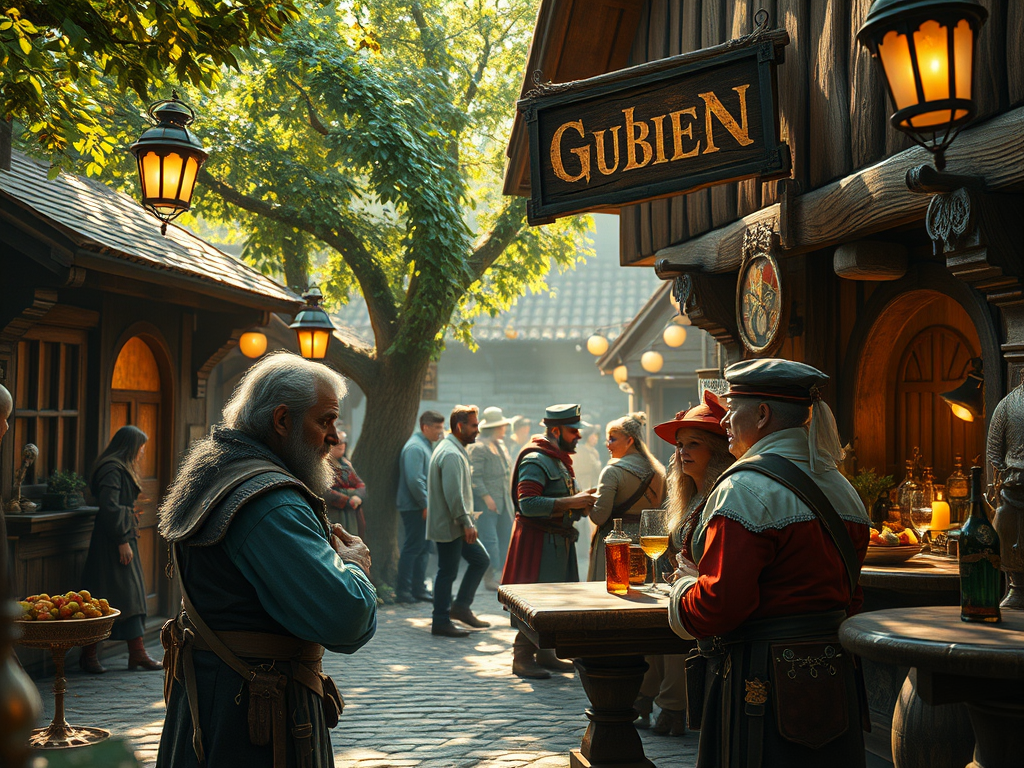
Imagine walking into a bustling medieval village, where every NPC you encounter isn’t just a static figure repeating the same scripted lines but a character that genuinely remembers you. As you approach the innkeeper, he doesn’t just offer the usual “What can I get for you?” but instead recognizes you from your last visit, saying, “Back again? How was that dragon you faced last week?” His words reflect not only the events you’ve experienced but also his evolving perception of you. This isn’t a canned response—it’s tailored to your actions and reputation, transforming the NPC from a simple background character into an active part of your journey.

As you stroll through the village, you meet a blacksmith you previously helped. Instead of a brief thank you, he speaks warmly, recalling your assistance with fondness and offering a discount. “You helped me when others wouldn’t. For that, you’ll always have a friend in me.” This interaction feels personal, deepening your connection with the game world, where every choice you make affects not just the story, but the relationships you build with its characters.

But then, chaos erupts. The village is under attack. NPCs scatter in fear, but some step up, calling to you for help, recognizing your previous heroics. “We need your sword!” a guard shouts, as the battle dynamically unfolds around you. These characters don’t just disappear into scripted routines—they react to your presence and choices, creating a fluid and responsive world.
current state of npc technology
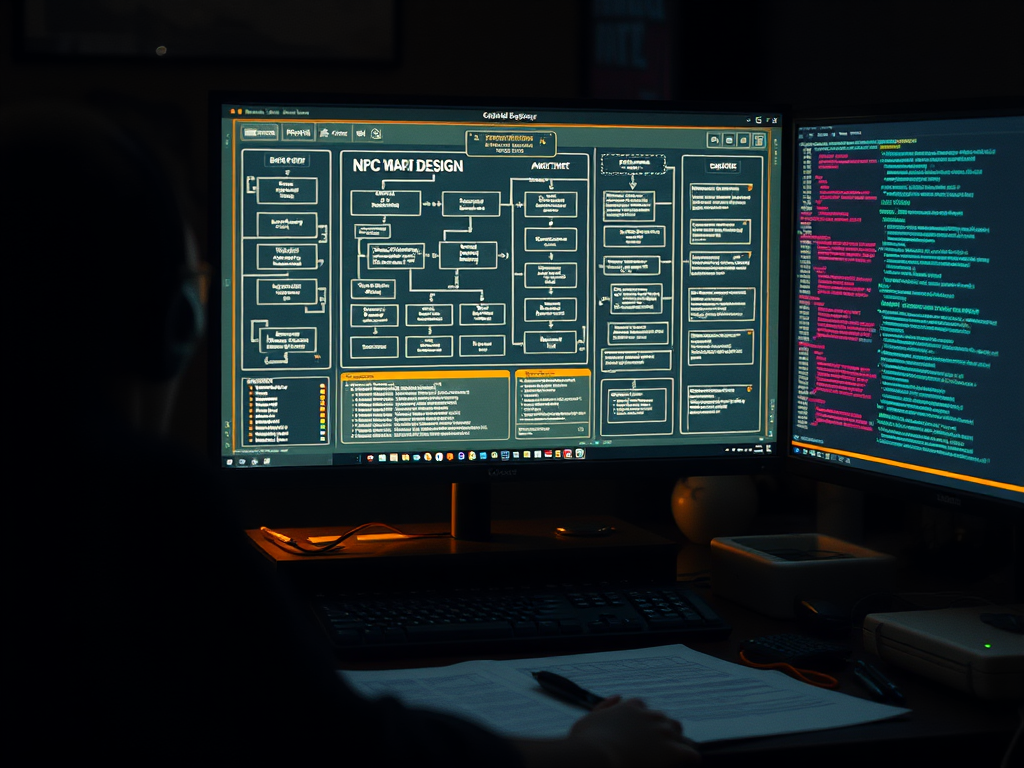
NPCs have come a long way from the basic, repetitive characters of early games. Titles like Red Dead Redemption 2 and Skyrim have added complexity to NPC behavior, with characters following daily routines and reacting to player actions. But even in these more advanced examples, interactions are still limited to scripted responses.
Now, thanks to AI-driven NPCs, companies like Ubisoft and Nvidia are pushing boundaries. Ubisoft’s NEO NPC project, developed in partnership with Nvidia’s Avatar Cloud Engine (ACE) and Inworld AI, is leading the charge toward more organic, dynamic interactions. These NPCs can generate conversations in real-time, remember past interactions, and respond to players in contextually appropriate ways. This could change how players experience game worlds, making every interaction unique and meaningful.
One of the most exciting developments is Nvidia’s Audio2Face, which enables NPCs to match their facial expressions and lip movements to AI-generated dialogue in real-time. This gives characters a more lifelike presence, allowing for smoother and more believable interactions.
the future: potential game titles and the next step for storytelling
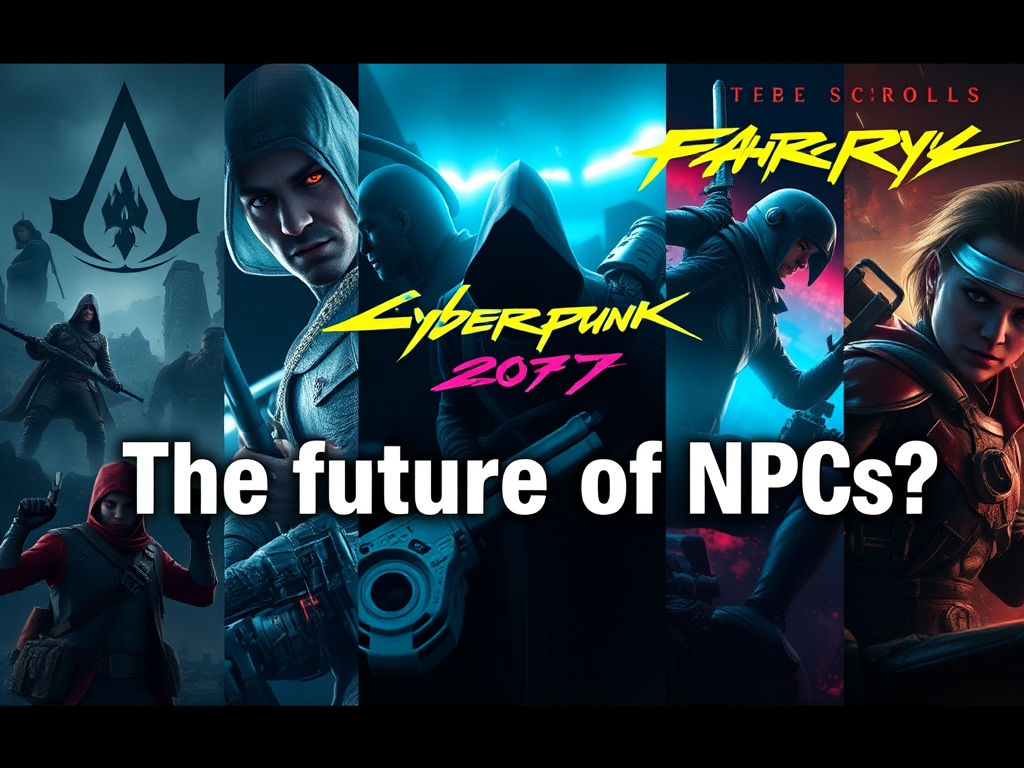
While no specific game titles have officially been confirmed to feature these AI-driven NPCs, it’s easy to imagine upcoming Assassin’s Creed or Far Cry titles incorporating this technology. Open-world games, where player interaction is key, are perfect for these innovations. Cyberpunk 2077, known for its ambitious world-building, could also benefit from AI NPCs to enhance the depth of its bustling city and make interactions more dynamic. These advancements would particularly shine in games like The Elder Scrolls VI, where every NPC in the vast world could feel alive, with unique responses based on your actions.
Titles like Starfield—already renowned for having massive amounts of dialogue—could leverage AI to make NPC interactions feel more organic and responsive, eliminating the need for developers to manually script thousands of lines. By using AI, NPCs could have fluid, unscripted conversations that react to player choices and story progression.
implications for game design and player agency
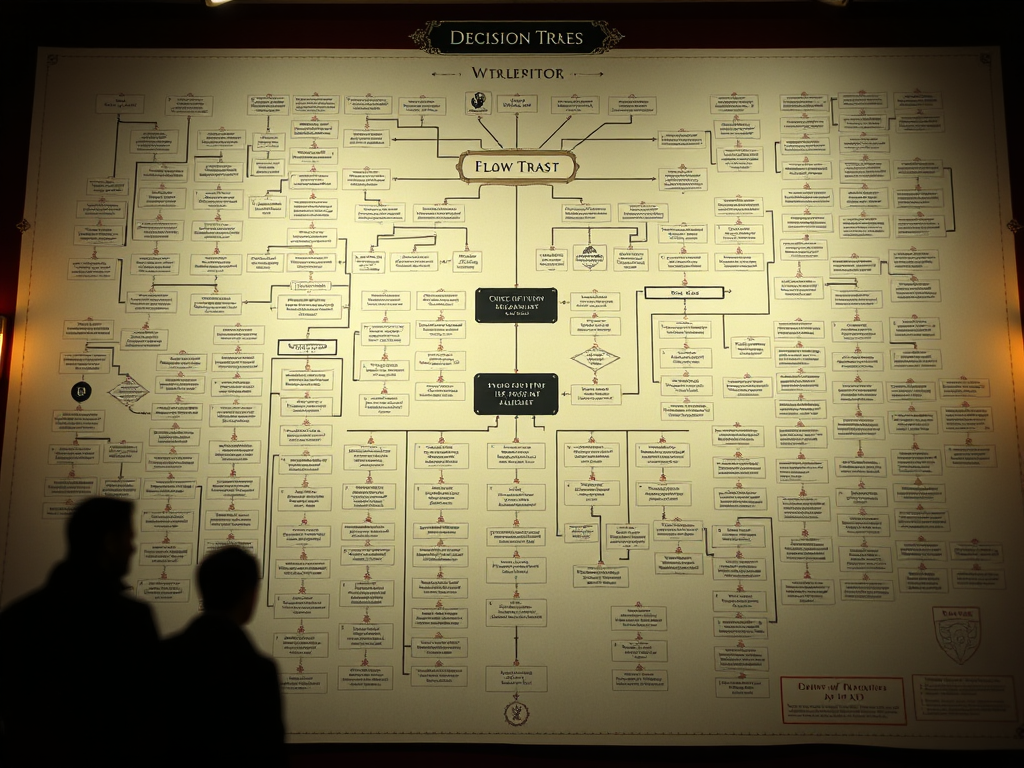
This evolution in NPC technology has profound implications for game design, especially in terms of player agency and storytelling. Traditional game design limits player interaction to pre-set paths, but AI-driven NPCs open up new possibilities where players can forge unique relationships with characters based on personalized choices. NPCs could remember past interactions and shape their future behaviors accordingly. For example, an NPC might refuse to assist you if you previously betrayed their trust, or they might offer special quests only to players they deem worthy based on past actions.
Moreover, the ability for NPCs to generate real-time responses adds a new layer of immersion to storytelling techniques. Rather than following rigid, linear narratives, players can experience emergent storytelling, where each playthrough is shaped by organic character interactions. This could lead to deeper emotional engagement, as players form meaningful connections with characters who evolve and grow based on shared experiences.
The prospect of personalized storytelling also raises questions about replayability. With AI-generated responses and dynamic NPCs, each new playthrough could offer fresh experiences, with NPCs reacting differently depending on the player’s choices and evolving storylines. This creates not only a more immersive world but also a living one, where the player’s actions truly matter.
looking forward: what could be next?
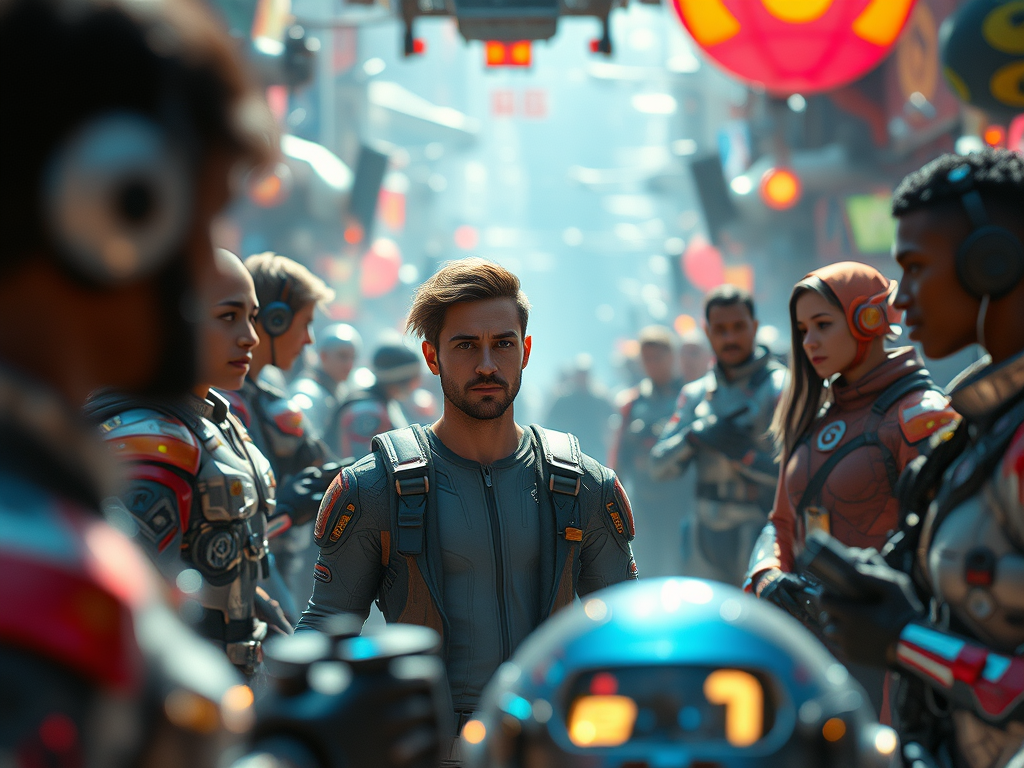
As AI continues to evolve, we’re likely to see even deeper levels of interaction in future games. The ability for NPCs to adapt and grow emotionally, driven by AI, is only scratching the surface. Imagine a world where NPCs not only remember your choices but also hold grudges, form friendships, and evolve in ways that mirror real human relationships.
Games like The Elder Scrolls VI, Starfield, and the next Far Cry could be the proving grounds for these AI innovations. The integration of AI-driven NPCs could revolutionize how players connect with the game world, making each experience deeply personal and responsive to individual actions. As NPCs become more intelligent and emotionally reactive, the line between scripted gameplay and emergent storytelling will blur, offering players a richer, more immersive adventure than ever before.
In the not-so-distant future, every NPC could have a story—one that you help shape. And that, more than anything, could transform the way we play.

 Development | Portfolio | Innovation
Lämna en kommentar