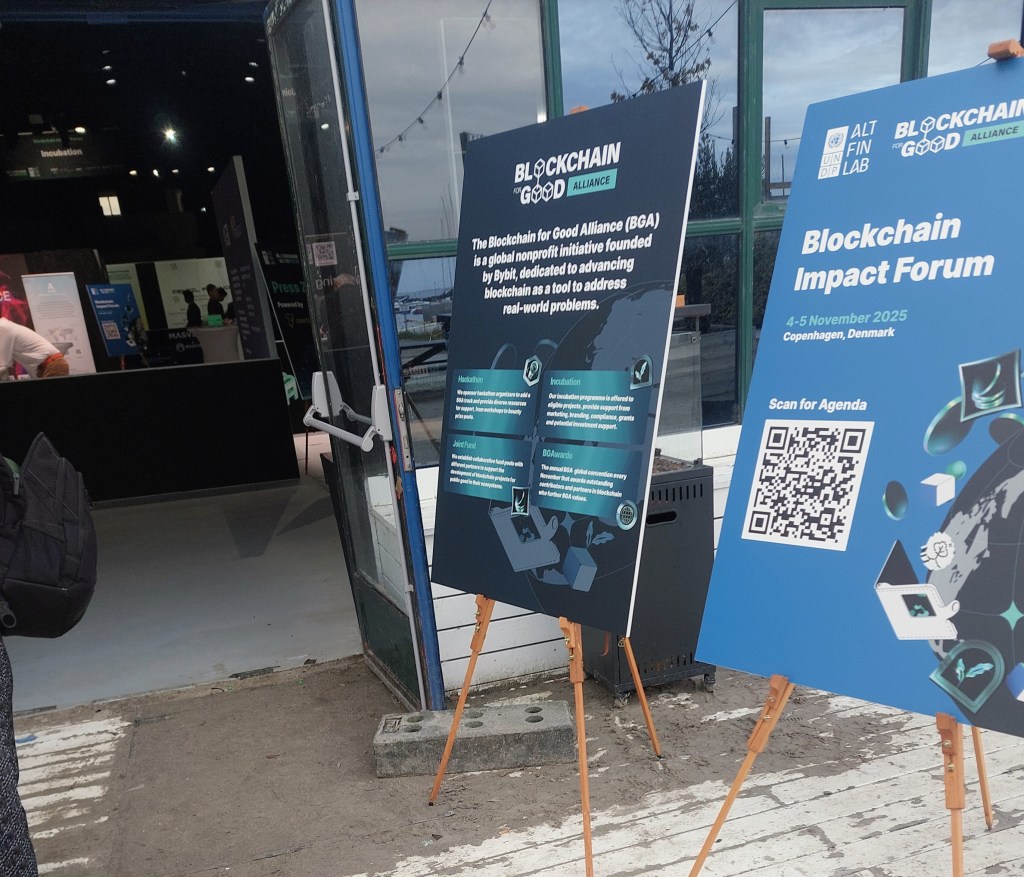
I spent yesterday at the Blockchain Impact Forum in Copenhagen, hosted by the Blockchain for Good Alliance together with the UNDP’s AltFinLab.
I did not go there to be impressed by technology. I went to see whether the big words around blockchain for good have started to mean something.
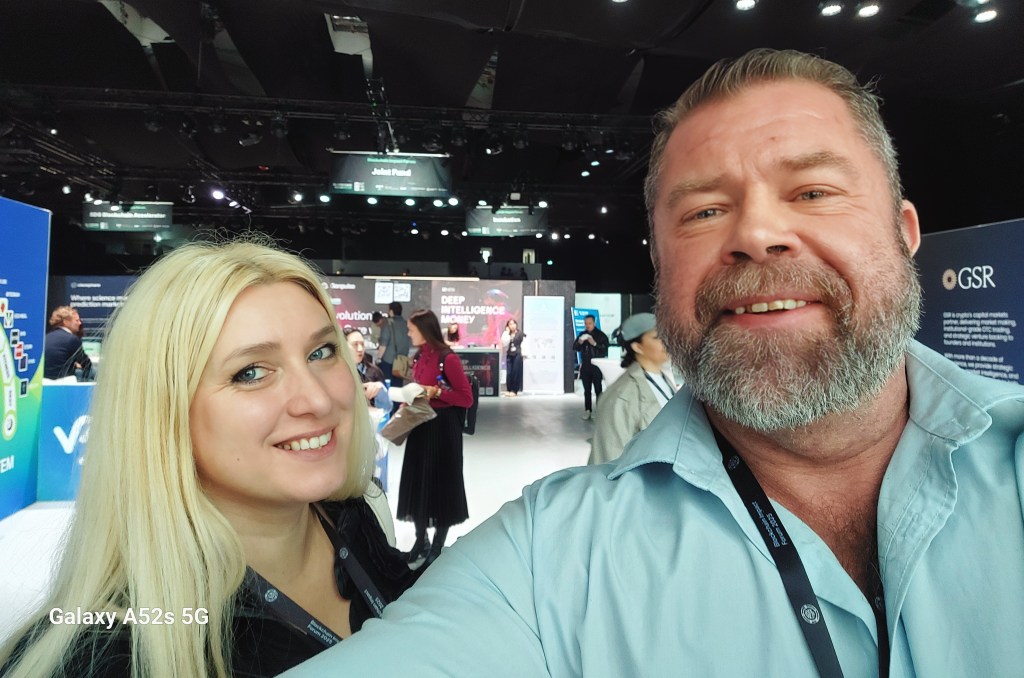
Terminal 13 was full of people who genuinely believe they can make the world work a little better through code. Some were dreamers, some were engineers, and a few were quietly building things that already matter. I listened, asked questions, and looked for the same thing I always look for: structure, integrity, and signs that an idea can live beyond the founder’s enthusiasm.
The Alliance’s motto is Care. Create. Change. It sounds simple, but it captures what separates hype from value.
The first group I met was Masverse from Malaysia. They focus on secure digital transactions and spoke about how difficult adoption and investment still are. Their aim is to make technology something people can actually trust. It reminded me of every transformation project I have ever led, the moment when technology works but the culture has not yet caught up.
Cladfy caught my attention next. A Kenyan founder working mainly with women in Bangladesh described how her microloan platform solves a painful issue: donors no longer believe their money reaches the right person. “Trust is our USP,” she said. That single line captured the essence of the event. She was not pitching a product. She was repairing a broken link in belief.
Coala Pay carried the same spirit. Built by aid workers for aid workers, they move humanitarian funds across borders with full traceability. There was no inflated language, only a group of people who were tired of not knowing where the money went and decided to fix it.
Later I spoke with Gabriella from the Ethics Hub. She works with small coffee farmers in Bangladesh, most owning less than two hectares. Her team connects lenders directly with farmers through blockchain, removing the middle layers that take most of the profit. She has kept it going for eight years and still calls adoption the hardest part. Her persistence felt like the real face of innovation.
Then came Gensyn, a team combining blockchain and AI to verify research data, working with Oxford and the University of Virginia. In a world where misinformation moves faster than facts, they are making sure science begins with data that can be trusted. I have seen the same struggle inside large organisations. Systems cannot think clearly when the inputs are corrupted.
Another Malaysian team, MyDigital ID, is developing a way for people to decide what information they share. A bar can confirm your age without learning your name. A hospital can access your medical record without touching anything else. It is a simple and powerful shift that turns privacy from an idea into a right.
Hacken, founded by Ukrainian engineers, works on security auditing. They certify how resilient companies are and make that information public. Their work reminded me that transparency without protection is naïve. Trust needs both honesty and defence.
I ended the day talking with Vocdoni, who are building secure digital voting. We spoke about democracy and participation, and I left that conversation thinking about leadership. Much of management is really about the same question: how do we make decisions visible and legitimate. Vocdoni’s work is democracy written in code, an effort to turn trust into something measurable.
As I left Terminal 13, one idea stayed with me. Trust as infrastructure.
Every project I saw was trying to rebuild some small part of that foundation. None of them were talking about disruption. They were talking about repair. I recognised that instinct because it is what I do too. Whether it is a team, a company, or a whole system, my work has always been about rebuilding trust where it has been eroded by confusion or poor process.
The UNDP provides structure and reach, but it is the smaller teams that carry the weight. They remind me of every good team I have seen: a mix of stubbornness, purpose, and quiet skill.
Blockchain for Good is not a slogan. It is the slow, deliberate work of making things honest again.
What I took away from the forum is the same lesson I have learned in leadership. Trust is not built by speeches or strategy decks. It is built through clear systems, consistent behaviour, and the courage to show your work. Whether we are talking about aid, data, or organisations, that principle holds. If we want scale, we must start with credibility.
#BlockchainForGood #UNDP #BGAwards2025 #Copenhagen #Leadership #Transparency #SDGs

 Development | Portfolio | Innovation
Lämna en kommentar